
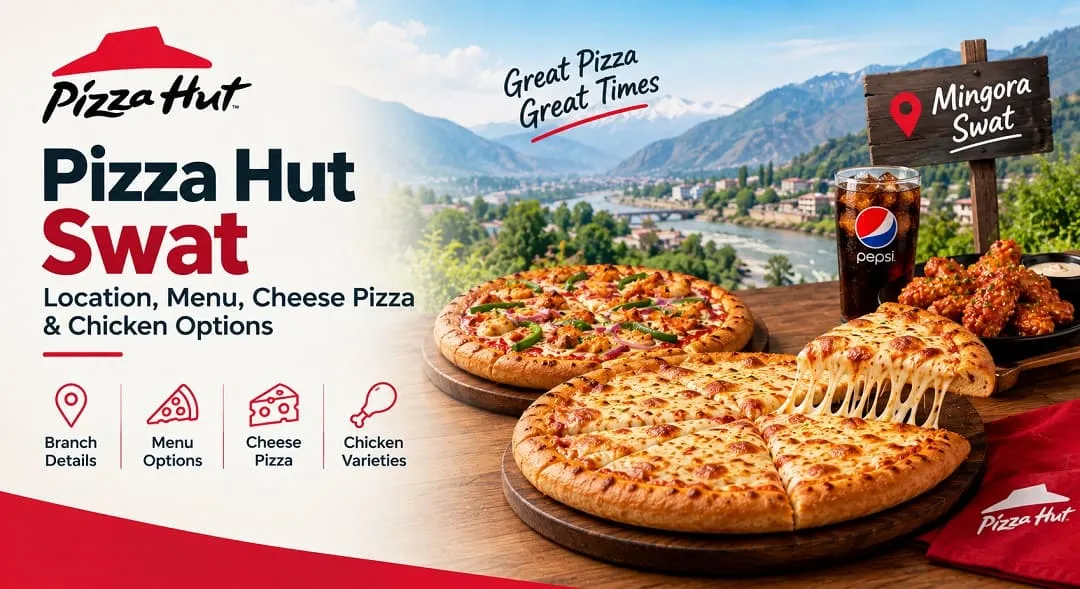
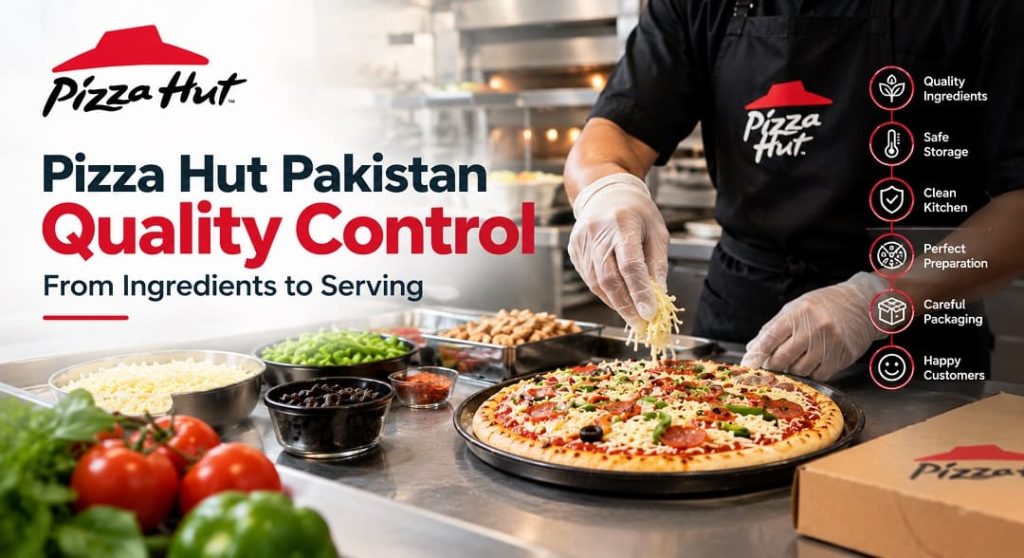
Pizza Hut Pakistan Quality Control: From Ingredients to Serving
- October 14, 2026
- PizzaHut
Other Post

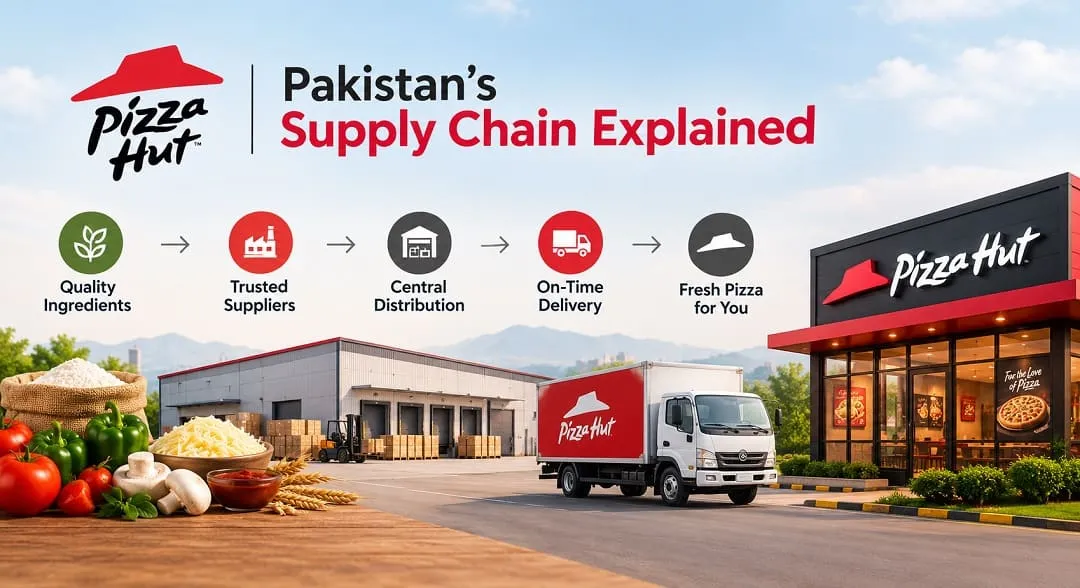

Quality control is an important part of serving great pizza. Customers expect fresh ingredients, consistent flavours, clean preparation areas, and food that arrives in good condition. For a restaurant brand like Pizza Hut, maintaining these standards helps create a reliable dining experience.
Pizza Hut Pakistan quality control covers the key stages involved in preparing and serving pizza. These include ingredient selection, storage, dough preparation, topping portions, baking, kitchen hygiene, packaging, and customer service.
This guide explains how quality control works across these stages and why each step matters to customers ordering Pizza Hut in Pakistan.
TL;DR: Pizza Hut Pakistan Quality Control
- Ingredient quality: Suitable ingredients help maintain flavour, texture, and consistency.
- Proper storage: Appropriate storage and temperature management help protect food quality and safety.
- Kitchen hygiene: Clean equipment, safe food handling, and personal hygiene reduce contamination risks.
- Preparation standards: Consistent dough, sauces, toppings, and baking help deliver a familiar pizza experience.
- Final checks: Appearance, order accuracy, packaging, and serving condition all affect customer satisfaction.
- Customer feedback: Complaints and feedback can help identify areas that need improvement.
What Is Quality Control at Pizza Hut Pakistan?
Quality control means checking food and restaurant processes to ensure they meet defined requirements. In a pizza restaurant, this involves more than checking the finished pizza. It begins with ingredients and continues through preparation, cooking, packaging, and service.
The aim is to provide customers with food that meets the expected standards for taste, appearance, consistency, and safety.
For Pizza Hut Pakistan, quality is also an important part of maintaining the familiar experience associated with the international Pizza Hut brand. The company’s published website describes its commitment to food quality, food safety, customer service, and consistent restaurant operations.
Quality control can be understood through five main areas:
- Ingredient selection and handling.
- Storage and food safety.
- Kitchen preparation and cooking.
- Final product checks and packaging.
- Customer experience and continuous improvement.
1. Ingredient Selection: Where Quality Begins
A pizza’s quality depends heavily on the ingredients used to prepare it. Dough, cheese, sauce, vegetables, chicken, and other toppings each contribute to the final taste and texture.
Selecting suitable ingredients is the first step in maintaining a consistent product.
Dough and Flour
Dough provides the foundation of every pizza. The flour, water, yeast, and other ingredients must be handled correctly to produce the expected texture.
Proper preparation and controlled storage help dough develop as intended. Poor handling can affect its texture, shape, and baking results.
Cheese
Cheese contributes to a pizza’s flavour, texture, and appearance. Its quality and storage conditions can affect how it melts and spreads across the crust.
Correct portioning also matters. Too little cheese may affect the expected taste, while excessive amounts can change the balance between toppings and crust.
Pizza Sauce
Sauce adds flavour and moisture to the pizza. Consistent portioning helps maintain the balance between the crust, cheese, and toppings.
Proper storage and handling are important for preserving its quality.
Chicken and Other Toppings
Chicken, vegetables, and other toppings should be suitable for their intended use and handled according to food safety requirements.
Freshness, correct storage, and appropriate preparation help maintain their quality. Ingredients that appear damaged, spoiled, or otherwise unsuitable should not be used.
2. Ingredient Storage and Temperature Management
Selecting good ingredients is only the beginning. They must also be stored correctly before they reach the kitchen preparation stage.
Different ingredients have different storage requirements. Refrigerated products, frozen foods, dry ingredients, and fresh vegetables should be handled according to their specific requirements.
Important storage practices include:
- Maintaining appropriate refrigerator and freezer temperatures.
- Following stock rotation procedures.
- Checking product dates and packaging condition.
- Keeping food covered and protected from contamination.
- Separating raw ingredients from ready-to-eat food.
- Monitoring storage areas and equipment.
Why Temperature Control Matters
Incorrect temperatures can reduce food quality and create food safety risks. For example, chicken and other perishable ingredients require appropriate temperature control to limit the growth of harmful microorganisms.
Staff should follow the relevant food safety procedures for receiving, storing, thawing, and preparing ingredients.
Temperature checks are useful because they help staff identify problems before ingredients are used. Any product that does not meet the required safety conditions should be assessed and handled according to established procedures.
3. Kitchen Hygiene and Safe Food Handling
A clean kitchen is essential for preparing food safely. Kitchen hygiene includes cleaning equipment, sanitising food-contact surfaces, maintaining personal hygiene, and preventing cross-contamination.
These practices help protect ingredients throughout the preparation process.
Clean Preparation Surfaces
Worktops, utensils, cutting boards, and preparation equipment should be cleaned and sanitised according to the applicable procedures.
Food-contact surfaces need particular attention because they come into direct contact with ingredients.
Hand Hygiene
Employees should wash their hands at the appropriate times, especially before handling food and after activities that may contaminate their hands.
Gloves, where used, do not replace proper handwashing. Staff should also follow the restaurant’s requirements for clean uniforms and personal hygiene.
Preventing Cross-Contamination
Cross-contamination happens when harmful microorganisms or unwanted substances transfer from one food, surface, or item to another.
Restaurants can reduce this risk by:
- Separating raw and ready-to-eat ingredients.
- Using appropriate utensils and preparation areas.
- Cleaning and sanitising equipment between tasks.
- Storing ingredients in suitable, covered containers.
- Following safe food handling procedures.
Allergen awareness is also important. Staff should follow established procedures to reduce unintended contact between ingredients and provide accurate information about allergens when requested.
4. Dough Preparation and Portion Control
A consistent pizza begins with consistent preparation. Dough handling, portion sizes, sauce quantities, cheese distribution, and toppings can all influence the finished product.
Portion control helps ensure that pizzas prepared to the same specification have a similar appearance and flavour.
Consistent Dough Preparation
Dough should be prepared and handled according to the relevant recipe and process. Factors such as dough weight, thickness, proofing, and shaping can affect the final crust.
Careful handling helps create a more consistent base for the toppings.
Balanced Toppings
Toppings should be distributed evenly according to the selected pizza recipe. This helps prevent some slices from having too much topping while others have too little.
Correct portions also support a balanced flavour between the sauce, cheese, and other ingredients.
Following Recipe Specifications
Standardised recipes help restaurant teams prepare menu items consistently. Staff should follow the applicable instructions for each product rather than estimating ingredient amounts.
These controls help customers receive a pizza that matches the expected menu description.
5. Baking: Getting the Pizza Right
Baking is a critical stage because it affects the crust, cheese, toppings, and overall texture.
Pizza needs to be baked under the appropriate time and temperature conditions for the product and equipment being used. The goal is to cook the pizza properly while achieving the expected colour and texture.
During preparation, relevant checks may include:
- Whether the crust is baked as expected.
- Whether the cheese has melted properly.
- Whether the toppings appear properly cooked.
- Whether the pizza matches the selected product.
- Whether the finished item meets the required presentation standard.
A pizza that is undercooked, excessively burnt, or prepared incorrectly may fail to meet customer expectations. Staff should follow the established cooking instructions and take corrective action when a product does not meet the required standard.
6. Final Quality Checks Before Serving
The finished pizza is the last opportunity to identify problems before it reaches the customer.
A final check should focus on the product’s appearance, accuracy, condition, and suitability for serving.
| Quality check | Why it matters |
|---|---|
| Correct pizza variety | Helps ensure the customer receives the selected product |
| Correct size and crust | Matches the customer’s order |
| Topping distribution | Supports consistent appearance and flavour |
| Baking condition | Helps confirm the pizza is properly cooked |
| Presentation | Makes the finished product more appealing |
| Order accuracy | Reduces mistakes and customer complaints |
| Packaging condition | Protects the pizza during handling and transport |
If a pizza does not meet the required standard, it should be addressed according to the restaurant’s procedures rather than sent out simply to complete the order quickly.
7. Packaging and Delivery Quality
Quality control does not end when a pizza leaves the oven. Packaging and delivery also affect the customer’s experience.
A properly selected pizza box helps protect the product during handling. Staff should use clean packaging and check that the order is complete before dispatch.
What Matters During Packaging?
- Use suitable, clean food packaging.
- Check that the correct pizza is packed.
- Include the ordered sides, sauces, and other items.
- Close and handle the box carefully.
- Keep the order organised during dispatch.
Maintaining Quality During Delivery
Delivery time and handling can affect the temperature and texture of pizza. Efficient order preparation, suitable packaging, and careful transport help the product reach the customer in better condition.
Customers should also receive the correct order with any included sides or extras. If something is missing or the order arrives in poor condition, clear feedback can help the restaurant investigate the issue.
8. Staff Training and Standard Operating Procedures
Quality standards are only effective when restaurant employees understand how to follow them.
Staff training can cover food hygiene, ingredient handling, temperature management, preparation methods, cooking instructions, cleaning routines, packaging, and customer service.
Standard operating procedures help employees follow the same process for routine tasks. They also provide a reference when staff need to identify or correct a problem.
Training should be supported by supervision and regular review. Restaurant managers can help maintain consistency by checking that procedures are followed and addressing gaps when they are identified.
9. Quality Checks and Continuous Improvement
Quality control is an ongoing process. Restaurant teams need ways to identify issues, correct them, and reduce the chance of the same problem happening again.
Depending on the restaurant’s established system, quality monitoring may include:
- Reviewing food preparation and storage practices.
- Checking equipment and cleaning routines.
- Monitoring product consistency.
- Reviewing customer complaints.
- Investigating recurring order errors.
- Providing refresher training when required.
These activities can help restaurants identify patterns and improve their operations over time.
Customer feedback is particularly useful when it includes clear details about the product or service. For example, feedback about a cold pizza, missing toppings, incorrect orders, or delivery delays can help a restaurant determine what needs attention.
10. Why Pizza Hut Pakistan Quality Control Matters
Quality control benefits both customers and restaurant operations. It helps create a more predictable experience while supporting safe food handling and consistent preparation.
Better Food Consistency
Standardised recipes and preparation methods help customers receive a familiar product across different orders.
Improved Food Safety
Proper storage, hygiene, temperature control, and safe handling reduce avoidable food safety risks.
Fewer Order Errors
Checking the pizza and order details before serving or dispatch can reduce mistakes.
Greater Customer Confidence
Customers are more likely to trust a restaurant when their meals consistently meet expectations and problems are handled responsibly.
Stronger Restaurant Operations
Clear procedures help staff understand their responsibilities and give managers a practical basis for monitoring performance.
Frequently Asked Questions
1. What is Pizza Hut Pakistan quality control?
Pizza Hut Pakistan quality control refers to the checks and procedures used to support ingredient quality, safe food handling, consistent preparation, proper cooking, packaging, and customer service.
2. How can restaurants maintain ingredient quality?
Restaurants can maintain ingredient quality by using suitable suppliers, checking deliveries, following storage requirements, rotating stock, monitoring temperatures, and removing unsuitable ingredients from use.
3. Why is hygiene important when preparing pizza?
Kitchen hygiene helps reduce contamination risks. Cleaning and sanitising surfaces, washing hands, separating raw and ready-to-eat ingredients, and following safe food handling procedures are important parts of food safety.
4. How does portion control affect pizza quality?
Portion control helps keep dough, sauce, cheese, and toppings consistent. It supports a balanced flavour, a predictable appearance, and a product that matches the selected recipe.
5. What happens if a customer receives an incorrect or poor-quality pizza?
Customers should contact the relevant restaurant or customer support channel and explain the issue. Clear details about the order help the restaurant review the problem and determine the appropriate response.
Final Thoughts
Pizza quality depends on more than the ingredients placed on top of the dough. Storage, kitchen hygiene, preparation, baking, packaging, and customer service all contribute to the final experience.
A structured approach to Pizza Hut Pakistan quality control helps explain why every stage matters, from receiving ingredients to serving the finished pizza. Consistent procedures, appropriate staff training, and attention to customer feedback can support better food quality and a more reliable dining experience.
Category :
- PizzaHut
Share :